Epicanthoplasty in Korea: Real Patient Stories & Costs from a Medical Interpreter
5 years of translating hopes, fears, and amazing transformations
⚡ Quick Answer
Epicanthoplasty in Korea costs $1,500-$3,500, takes 30-45 minutes, with 1-2 weeks recovery. Korean surgeons specialize in Asian eye anatomy, delivering natural-looking results at 60-70% less than Western countries.
- Cost: $1,500 - $3,500 (60-70% cheaper than USA/UK)
- Duration: 3-5 days in Korea
- Recovery: 1-2 weeks for swelling, 3-6 months final results
- Best for: Those wanting larger, more defined eye shape
Ever looked in the mirror and wished your eyes appeared larger, more open, less tired-looking?
Hey there! I'm Geongu Lee, and for the past 5 years, I've been a medical interpreter specializing in cosmetic procedures in Seoul. I've sat in consultation rooms with over 200 patients considering epicanthoplasty, translating not just words, but hopes, fears, and dreams about their appearance.
The thing is, most guides about epicanthoplasty are written by people who've never actually been in those consultation rooms, never seen the before-and-after transformations firsthand, never heard the real patient stories. I have. And today, I want to share what I've learned with you.
💬 Sarah's Story: "I Finally Look Awake"
Sarah, a 28-year-old marketing manager from Vancouver, came to Seoul last spring. She'd been self-conscious about her "sleepy-looking eyes" since high school. "People always ask if I'm tired," she told Dr. Kim during our consultation. "Even when I'm excited or happy, I look bored."
She'd researched epicanthoplasty for two years, got quotes from three clinics in Canada ($8,000-$12,000), but the costs were prohibitive. That's when she found my services online.
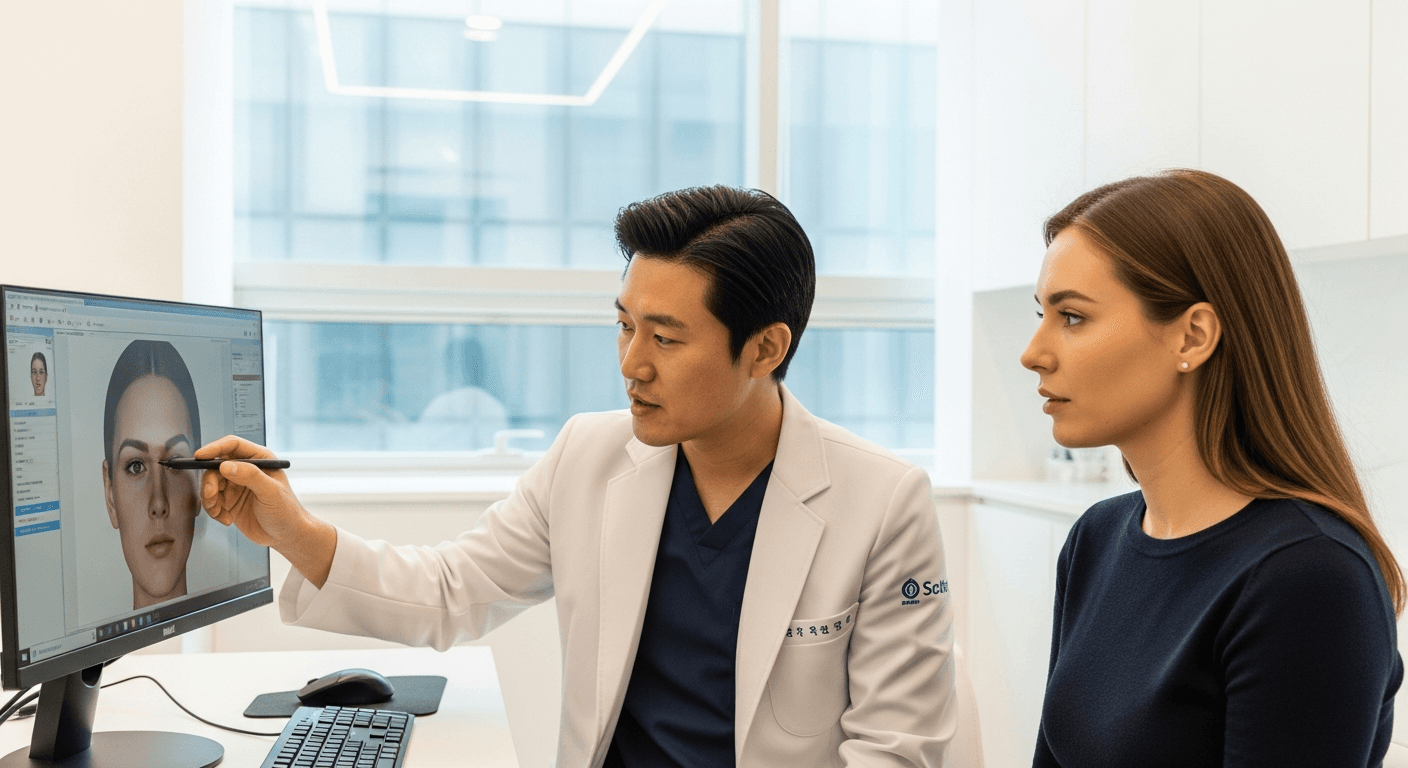
During the 45-minute procedure, I translated Dr. Kim's explanations about preserving the natural fold while opening the inner corner. Sarah was awake throughout, asking questions about every step. "Will it look natural?" she kept asking. Dr. Kim showed her the micro-measurements he was making - literally millimeters that would change everything.
Two weeks later, before flying home, Sarah cried happy tears during her final check-up. "I look like me, but the best version of me," she said. "My eyes are so much more expressive now."
💡 As her interpreter, I noticed: Korean surgeons spend 3x longer on measurements and planning compared to what Sarah described from her Canadian consultations. The attention to detail was remarkable.
Why Korea? (From Someone Who's Seen It All)
After 5 years of interpreting in Korean clinics, I can tell you exactly why patients fly halfway around the world for epicanthoplasty here. It's not just about cost (though that's huge). It's about specialization.
What I've Witnessed in Korean Clinics:
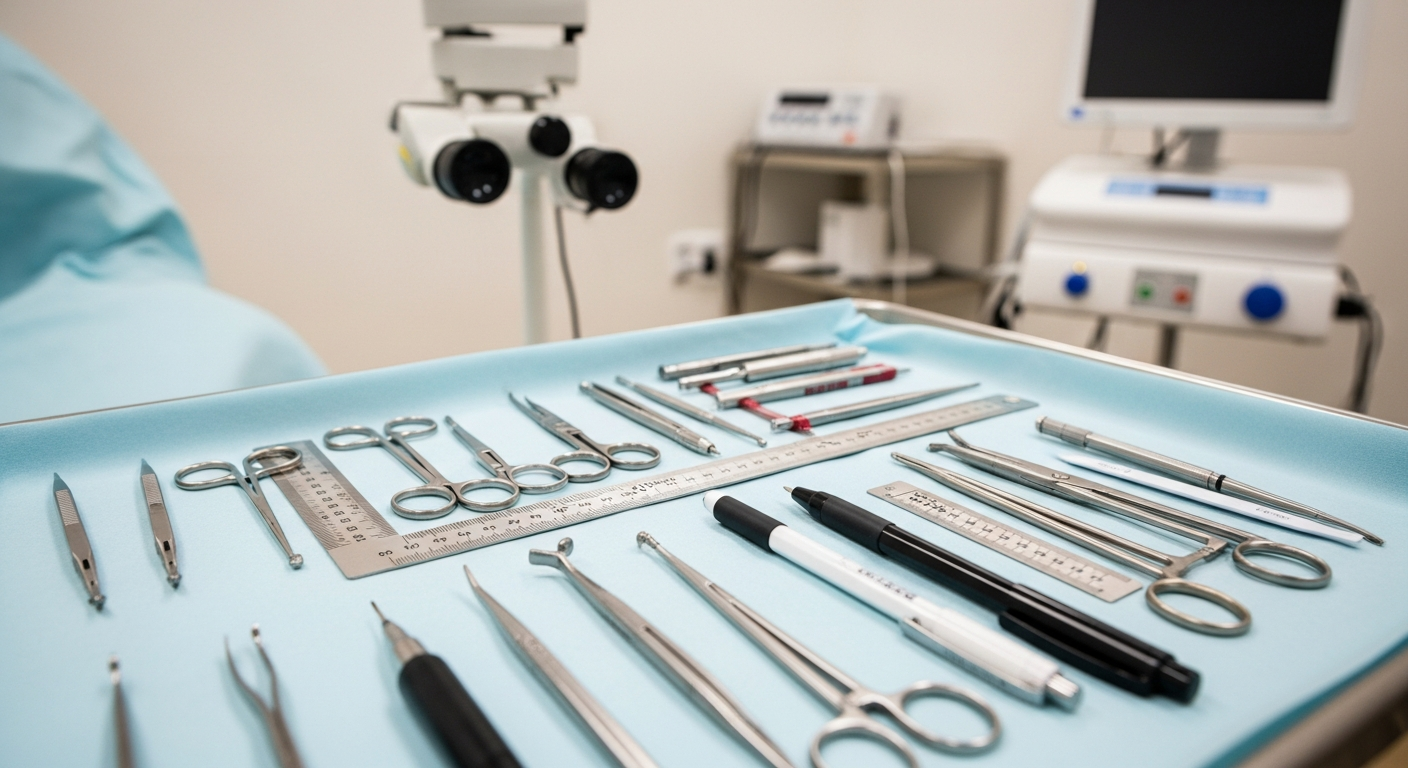
- Micro-precision techniques: Korean surgeons use magnification tools and measure in 0.5mm increments. I've seen Western-trained doctors work in full millimeters - that's the difference between natural and obvious.
- Asian anatomy expertise: 90% of epicanthoplasty patients in Korea are Asian. These surgeons understand the unique challenges of Asian eyelid structure in ways that Western surgeons simply don't encounter as often.
- Scarless techniques: The "Korean method" leaves virtually no visible scarring. I've translated for patients who had botched procedures elsewhere - the difference in healing is night and day.
💬 Another Patient Story: Michael's Confidence Boost
Michael, a 35-year-old teacher from Australia, had a different concern. "My eyes make me look angry all the time," he explained. "Students are scared to approach me, and it's affecting my career." His epicanthal folds were quite pronounced, creating a stern expression even when he was smiling.
What struck me during his consultation was Dr. Park's approach. Instead of just agreeing to do the procedure, he showed Michael photos of different outcomes. "We want you to look approachable, not completely different," he said through my translation. They settled on a conservative approach - opening the inner corners just enough to soften his expression.
The result? Michael looked like himself, just more approachable. His follow-up email three months later included a photo of him with his students - everyone was smiling and relaxed around him.
The Treatment: What Actually Happens
How It Works (Step by Step)
-
Step 1: Detailed Consultation & Measurement
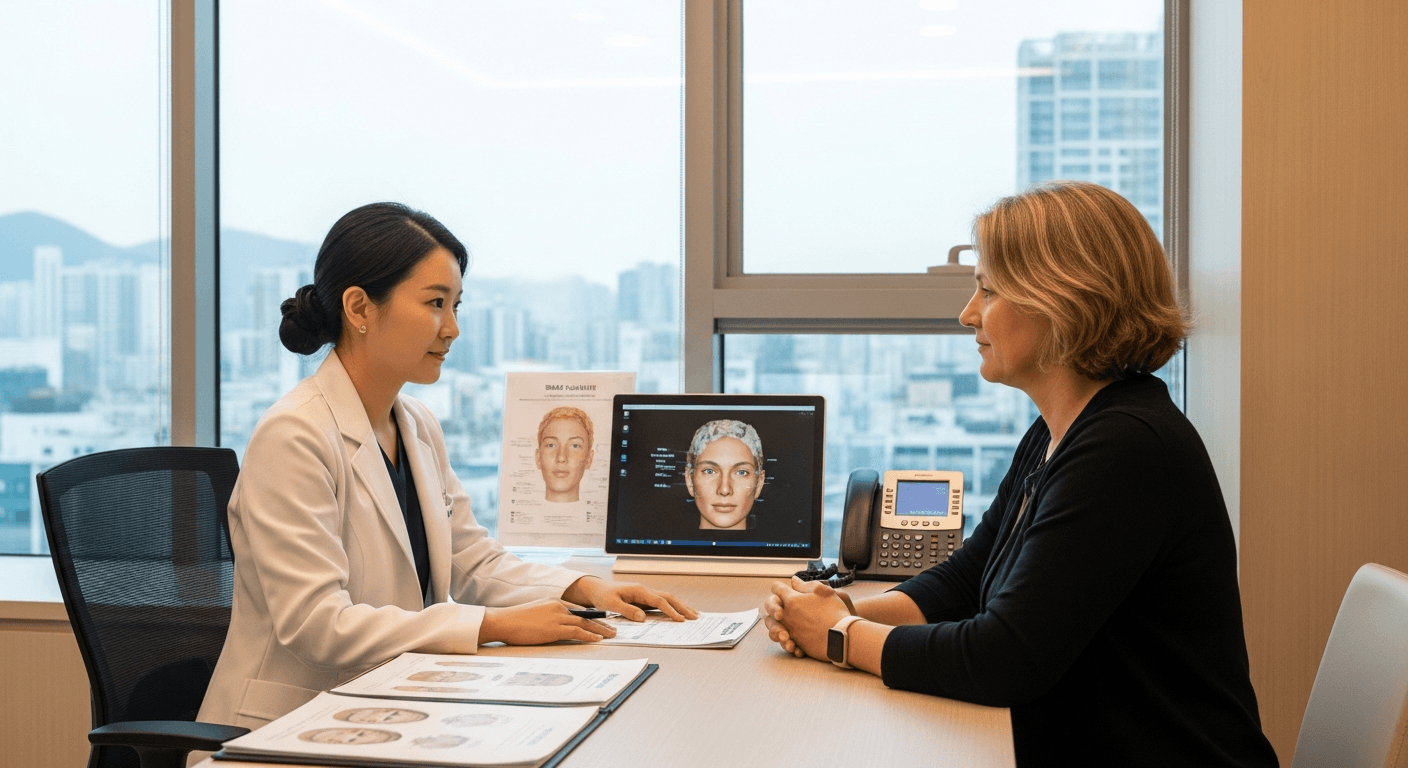
This isn't a 10-minute chat. Korean surgeons spend 30-45 minutes measuring your eye shape, discussing your goals, and showing you computer simulations. I've translated these sessions hundreds of times - the level of detail is incredible. They measure everything: eye width, height, the angle of your epicanthal fold, even how your eyes move when you blink.
-
Step 2: Marking & Local Anesthesia
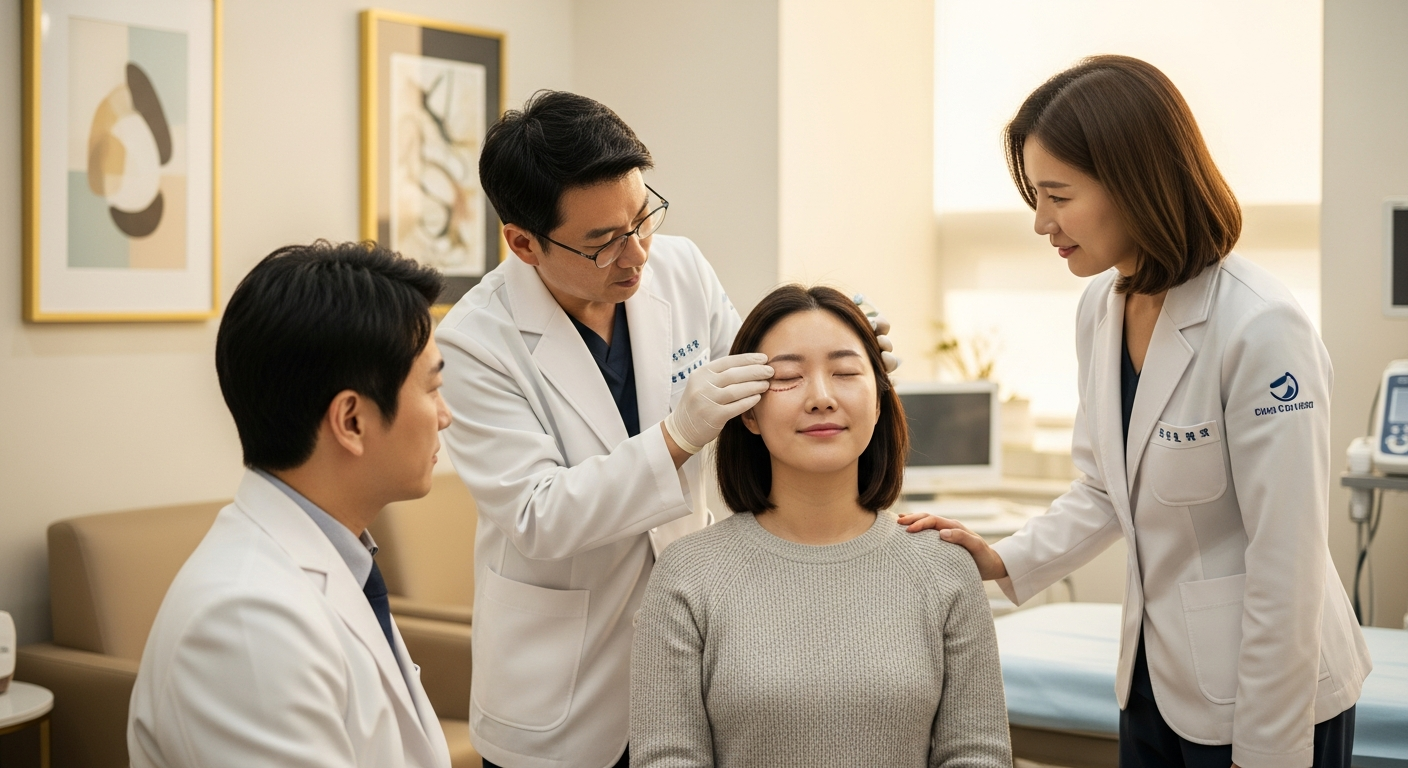
The surgeon marks the exact areas to be modified while you're sitting upright (gravity affects how your skin sits). Then local anesthesia is applied. Most patients are surprised by how comfortable this part is - Korean clinics use advanced numbing techniques that minimize discomfort.
-
Step 3: The Procedure (30-45 minutes)
Using microsurgical techniques, the surgeon carefully removes or repositions the epicanthal fold. You're awake throughout, which actually helps - the surgeon can ask you to open and close your eyes to check symmetry in real-time. I translate these instructions and reassure patients throughout.
-
Step 4: Immediate Recovery
You'll rest for 30 minutes post-procedure, then receive detailed aftercare instructions. Korean clinics provide a recovery kit with everything you need, plus 24/7 contact information for any concerns.
Real Cost Breakdown (2024 Prices)
| Item | Korea | USA/UK | You Save |
|---|---|---|---|
| Consultation | $50 | $200-400 | 75-87% |
| Epicanthoplasty Procedure | $1,500-3,500 | $5,000-12,000 | 60-70% |
| Follow-up Care (1 week) | Included | $300-500 | 100% |
| Aftercare Kit | Included | $150-300 | 100% |
| Total Package | $1,550-3,550 | $5,650-13,200 | 60-73% |
* Prices include consultation, procedure, follow-up. Excludes flights and accommodation.
💡 5-Year Interpreter Tips
Tip #1: Book Consultations with 2-3 Surgeons
Every surgeon has a slightly different approach. I've seen patients completely change their minds after the second consultation because they found a surgeon whose vision matched theirs better. Most clinics offer free consultations if you're serious about the procedure.
Tip #2: Bring Reference Photos, But Be Realistic
Korean surgeons are incredibly skilled, but they're not magicians. Bring photos of eyes you admire, but understand that your bone structure and skin type will influence the final result. The best outcomes happen when patients work with their natural features, not against them.
Tip #3: Plan for 5-7 Days in Seoul
While the procedure itself is quick, you'll want time for consultation, the procedure, and at least one follow-up. Plus, Seoul is an amazing city - many of my patients say the trip becomes a mini-vacation with a confidence boost as a bonus.
Questions I Get Asked Every Day
Q: Will epicanthoplasty make my eyes look "Western"?
No, when done correctly, it enhances your natural eye shape. Korean surgeons specialize in maintaining Asian features while creating a more open, alert appearance. I've translated for hundreds of patients, and the goal is always "you, but better" - not a completely different ethnicity.
Q: How long before I can wear makeup again?
Usually 7-10 days for eye makeup, 3-4 days for face makeup. Korean clinics provide special makeup removers and gentle products for the healing period. I always help patients understand the specific timeline during their post-op instructions.
Q: What if I don't like the results?
This is extremely rare with experienced Korean surgeons, but revision options exist. Most reputable clinics offer free revision within the first year if there are technical issues. However, I always encourage patients to wait 3-6 months before considering any changes, as swelling can mask the final result.
Q: Can epicanthoplasty be combined with double eyelid surgery?
Yes, about 60% of my patients do both procedures together. It's often more cost-effective and creates a more harmonious result. The recovery time is similar whether you do one or both procedures, and Korean surgeons are experts at combining these techniques.
Q: How do I choose the right surgeon?
Look for board certification, specialization in Asian eyelid surgery, and before/after portfolios. As someone who works with multiple surgeons, I can tell you that experience with your specific eye shape matters more than general plastic surgery credentials. Ask to see photos of patients with similar features to yours.
⚠️ Honest Warnings (Most Guides Won't Tell You This)
- Swelling varies dramatically: Some patients look great after 5 days, others need 2-3 weeks. Don't plan important events for at least a month post-procedure.
- Results aren't immediately visible: Your eyes will look overcorrected initially due to swelling. The final, natural result takes 3-6 months to fully appear.
- Not everyone is a good candidate: If you have very little epicanthal fold to begin with, the improvement might be minimal. Honest surgeons will tell you this during consultation.
- Language barriers are real: Even with interpreters like me, miscommunication can happen. Make sure you're 100% clear on the expected outcome before proceeding.
Ready to Take the Next Step?
After helping over 200 patients through their epicanthoplasty journey, I can tell you that the right procedure with the right surgeon can be genuinely life-changing. But it's not a decision to rush into.
If you're considering epicanthoplasty in Korea, I'd love to help you navigate the process. I work with several top-rated surgeons in Seoul and can help you find the right fit for your goals and budget.
Chat on WhatsApp
Have questions about epicanthoplasty in Korea? Want to know which surgeons I recommend for your specific case? Let's chat - I'm here to help, not to pressure you into anything.
Chat on WhatsApp →This month only: Free consultation and surgeon matching service for the first 5 patients who contact me
Frequently Asked Questions
Will epicanthoplasty make my eyes look "Western"?
No, when done correctly, it enhances your natural eye shape. Korean surgeons specialize in maintaining Asian features while creating a more open, alert appearance.
How long before I can wear makeup again?
Usually 7-10 days for eye makeup, 3-4 days for face makeup. Korean clinics provide special makeup removers and gentle products for the healing period.
What if I don't like the results?
This is extremely rare with experienced Korean surgeons, but revision options exist. Most reputable clinics offer free revision within the first year if there are technical issues.
Can epicanthoplasty be combined with double eyelid surgery?
Yes, about 60% of patients do both procedures together. It's often more cost-effective and creates a more harmonious result.
How do I choose the right surgeon?
Look for board certification, specialization in Asian eyelid surgery, and before/after portfolios. Experience with your specific eye shape matters most.